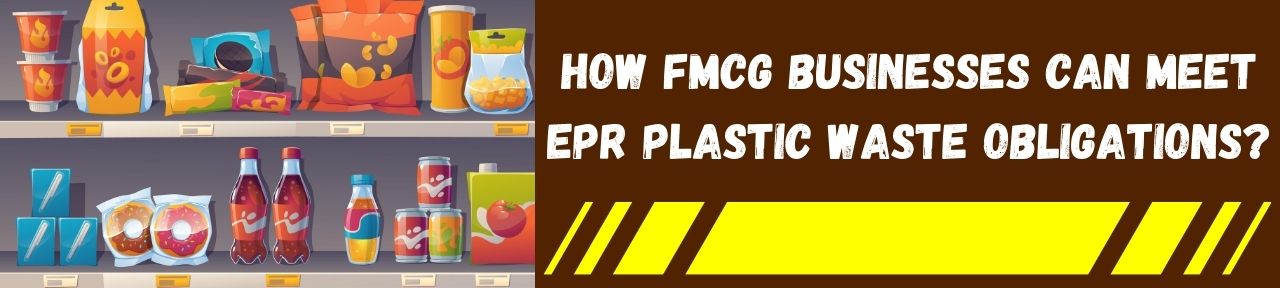
How FMCG Businesses Can Meet EPR Plastic Waste Obligations?

An enormous amount of plastic waste, especially plastic litter from industries and organizations, leaks into the environment and creates severe environmental issues. A lack of sound plastic waste collection and treatment mechanisms further exacerbates the problem. With the growing population and surge in business and commerce, the world is expected to witness a hike in plastic [โ€ฆ]

By |2026-04-07T17:12:54+05:30February 18th, 2025|epr|

EPR Plastic Waste Obligations For Manufacturers And Importers

The Plastic Waste Management Rules, 2016 mandates all Producers, Importers, and brand Owners (PIBOs) to register on the EPR (Extended Producer Responsibility) portal developed by the CPCB. The portal consists of modules for registration, filing for annual returns, settlement and trading for EPR obligations, and Third Party Audits.

Plastic packaging waste EPR includes manufacturers of plastic packaging [โ€ฆ]

By |2026-04-07T17:12:54+05:30February 17th, 2025|epr|

How EPR Is Shaping The Future Of Plastic Waste Management?

By 2050, the amount of plastic being manufactured globally is expected to increase almost four times. The surge in plastic production is bound to maximize plastic leakage in the environment and increase CO2 emissions. But why is it a concern?

Plastic is a non-biodegradable element which means it takes decades to break down. This plastic ends up [โ€ฆ]

By |2026-04-07T17:12:54+05:30February 17th, 2025|epr|

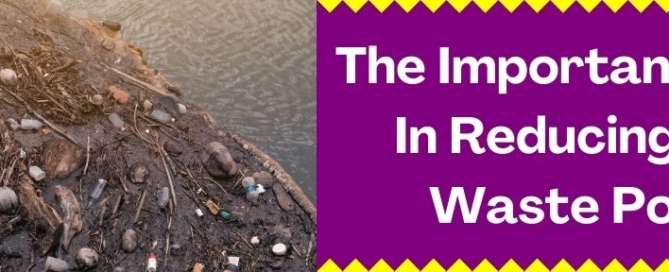
The Importance Of EPR In Reducing Plastic Waste Pollution

Around the world, over 460 million metric tons of plastic is being manufactured annually for a wide range of products. More than half of this amount ends up being littered or dumped into landfills. Since plastic is made up of complex material and is a non-biodegradable substance, it stays in the environment for hundreds of years.

Plastic [โ€ฆ]

By |2026-04-07T17:12:54+05:30February 15th, 2025|epr|

EPR Plastic Waste Rules And Penalties: What Every Business Should Know

The Plastic Waste Management Rules, 2016 provides a statutory framework for creating an environmentally sound plastic management system and disposal of plastic waste. It stipulates mandatory targets on Extended Producer Responsibility (EPR), promotes recycling of plastic garbage, rigid plastic packaging reuse, and use of recycled plastic back into the business. The guidelines aim to promote sustainable [โ€ฆ]

By |2026-04-07T17:12:54+05:30February 15th, 2025|epr|

The Role Of EPR In Sustainable Plastic Waste Management

Sustainable plastic waste management is a technique that prioritizes recycling, reuse, and the adoption of innovative solutions to transform plastic waste into a brand-new product. The ideology behind this is to promote its repeated use, manage production waste, implement greener business practices, and impede its harmful toxins from sinking into the environment.

The governments all across the [โ€ฆ]

By |2026-04-07T17:12:54+05:30February 14th, 2025|epr|
Go to Top