

Complete Guide to Link Aadhaar Card to Bank Account (Online & Offline Methods)
An Aadhaar card is based on biometric and demographic data. The card contains a 12-digit unique identity number and is issued by the Unique Identification Authority of India (UIDAI). In India, the Aadhaar card has become the core document for digital financial and identity verification activities. Meanwhile, the government of India mandates the compulsory linking of Aadhaar numbers to bank accounts. Even banks do not have the right to deactivate the accounts that are not linked with Aadhaar. As of 2026, the government of India has strengthened the integration of Aadhaar with the financial system to ensure security and efficiency. The individuals can link their Aadhaar card to the bank in any mode, whether online or offline. This guide will highlight how you can link your Aadhaar card to a bank account.
Importance of Linking Aadhaar Card to Bank Account
Interlinking the Aadhar to the bank account has become legally mandatory as of 2026. The major purpose of linking the 12-digit Aadhar number to an account is to connect your unique biometric identity with your financial profile. In more detail:
- Direct Benefit Transfer (DBT): By linking, individuals can claim the government welfare funds, subsidies (LPG, kerosene), pensions, and scholarships. This is because these benefits are directly credited to the bank account.
- Enhances Security: This step adds a layer of biometric authentication. It is important to prevent fraudulent, unauthorized transactions.
- Simplified KYC: It is crucial because it acts as a valid Know Your Customer (KYC) certificate. It significantly helps to open bank accounts and update the account information.
- Easy Access (AEPS): By enabling the Aadhaar Enabled Payment System, it allows individuals to manage transactions by using biometrics at microATMs or correspondent banking.
Required for Compliance: Linking Aadhar to a bank account means you are complying with RBI guidelines.
Why Is It Mandatory to Link Aadhaar with Bank Accounts?
As of 2026, linking Aadhaar with a bank account is mandatory for specific purposes.
Latest Government Updates & Rules (2026)
December 31, 2025, was the last date to link the PAN with the Aadhaar card. If PANs are not linked with Aadhaar, they become inoperative from January 1, 2026. Now, the individuals will only get all the subsidies (LPG, pension, MNREGA) via the Aadhaar-enabled payment system (AEPS). It is a mandate to eliminate fraudulent, duplicate recipients.
Summary of Supreme Court Rulings
Aadhar card link is not compulsory for general banking. The Supreme Court (2018) ruled that banks, mobile companies, and school admissions cannot request Aadhaar, as it violates the right to privacy.
Benefits of Linking Aadhaar with Bank Account
Linking of Aadhaar to a bank account is not only legally mandatory but also provides various benefits to individuals. Here are the key benefits associated with linking Aadhaar with bank accounts:
- Ensure that you get the government subsidies, like gas scholarships or pensions, directly to your linked bank account. This step eliminates the requirement of middlemen, including reducing fraud and leakage.
- Biometric authentication is used as a protection layer that minimizes the use of unauthorized transactions and fake accounts.
- Aadhaar is the primary document that acts as a valid address and identity proof, used for Re-KYC (Know Your Customer).
- Making banking accessible in rural areas by allowing for transactions at micro ATMs.
- By streamlining the banking operations, make it easier to receive income tax refunds and manage accounts.
Documents to Link Aadhaar Card to Bank Account Online
Linking your Aadhaar card with your bank account online is a much simpler process. Often, individuals don’t require submitting physical documents. Here is the complete document checklist:
- Aadhaar card soft copy (PDF/photo), if applicable
- Bank account details (bank account number, IFSC code, and registered mobile number with the bank)
- Debit card number or ATM pin authentication (if applicable)
- PAN card (only if KYC is done)
- Updated KYC documents (applicable when the bank account is not fully verified)
6 Ways to Link Aadhaar Card to Bank Account
There are multiple ways available to link Aadhaar to a bank account online. The process of Aadhaar bank account linking follows:
Method 1: Online via Net Banking
- Log in to your bank website
- Visit the “Profile” or Services” section
- Locate “Update Aadhaar” or “Aadhaar Seeding.”
- Enter your 12-digit Aadhaar number and submit.
Method 2: Mobile Banking App
- Open the app for your bank.
- The next step is to select either ‘My Accounts’ or ‘Services.’
- Choose the ‘Edit/View Aadhaar Card’ option.
- You need to enter your mobile number in this section and submit it.
Method 3: ATM Method
- Go to your bank’s ATM.
- Insert your ATM card into the ATM.
- Select ‘Services’ or ‘Registrations’ (depending on which type of ATM you are using).
- Choose ‘Aadhaar Linking.’
- Enter your 12-digit Aadhaar number.
Method 4: Offline by Visiting a Bank Branch
- Visit your nearest bank branch.
- Complete the Aadhaar Seeding Form.
- Provide a self-attested photocopy of your Aadhaar card.
- Present your Aadhaar card as a form of proof.
- Wait for your information to be validated.
Method 5: SMS Banking
- Send the following text message to your bank number (as provided below):
- ‘UID<your 12-digit Aadhaar number><account number>’
- You may want to include the mobile number with which you registered your account in order to finalize the transaction.
Method 6: Missed Call/IVR
- To get your Aadhaar linking status using the missed call or IVR service, please call the designated helpline number.
- Follow the prompts in the voice menu.
- Select ‘Aadhaar linking.’
- Enter your details.
- Wait for that verification message to confirm that your details were added.
Check Aadhaar Linking Status with Bank Account
To check the Aadhaar bank link status, consider these different options:
Option 1: UIDAI Website (Online)
Must use the UIDAI official website to check the status. For its first visit, uidai.gov.in. Select “Bank Seedung Status,” and enter the 12-digit number or 16-digit virtual ID (VID). Enter the OTP received on your registered mobile number. The screen will show the status, including the last updated date and the bank name.
Option 2: mAadhaar App
Download the mAadhaar app and log in with the required details. Choose ‘Aadhaar-Bank Acc link Status’ under the ‘My Aadhaar’ section.
Option 3: Bank Branch
Visit your bank branch directly and seek assistance from a bank employee for your Aadhaar account status.
Link Aadhaar with Multiple Bank Accounts
In case any individual is operating multiple banks with the same contact number, they are also required to link with Aadhaar. The linking of Aadhaar with multiple bank accounts can be done online via net banking, mobile apps, ATMs, or by visiting bank branches.
The Common Problems & Solutions
- Mismatch in Personal Information
Solution: The application will be rejected if any minor mistake is found in the name, date of birth, or address. Must update the Aadhaar card in advance by visiting the UIDAI Enrollment Center. The names on Aadhaar and other forms must be identical.
- Mobile Number not linked to Aadhaar
Solution: OTP-based online linking fails if the contact number is not registered with UIDAI. To link a mobile number with Aadhaar, you must navigate the UIDAI portal or visit a center for offline.
- Inactive Bank Account
Solution: If the bank account is inactive, frozen, or closed, the Aadhaar card won’t be linked. Must first activate the account by visiting a bank branch and completing the required KYC documentation.
- Technical Glitches
Solution: You may face a technical glitch due to a network issue. Therefore, try to link Aadhaar to a bank account during off-peak hours or move to an alternate browser.
Security Tips While Linking Aadhaar with Bank Account Online
Linking an Aadhaar card to a bank account is a straightforward process, but it requires caution to safeguard the personal and financial information. When applying to Link Aadhaar card to a bank account online, you must consider these tips:
- Tip 1: Never share your Aadhaar-linked OTP with anyone, not even bank employees.
- Tip 2: Utilize the Lock/Unlock Biometrics feature on the UIDAI website or mAadhaar app to prevent misuse.
- Tip 3: When required to attach a copy of Aadhaar, you must use a “masked Aadhaar.”
Why Choose LegalRaasta for Linking Aadhaar to a Bank Account?
With a large number of trusted clients, LegalRaasta is making daily registration requirements easier for individuals, including businesses. At LegalRaasta, you will get a simplified, secure, and expert-driven process for linking your Aadhaar to your bank account.
Contact now or visit www.legalraasta.com
FAQs – Link Aadhaar Card to Bank Account
- Is Aadhaar linking mandatory for all bank accounts?
Ans. No, it is not strictly compulsory for all bank accounts. However, linking is crucial for directly receiving government subsidies/direct benefit transfer (DBT) and is often mandatory for opening new accounts.
- How long does Aadhaar linking take?
Ans. You may apply to link Aadhaar to your ration card in India through your nearest Public Distribution System (PDS) by normal means.
- How long will the process take?
Ans: The time taken for Aadhaar seeding will be different depending on whether you use online or offline to complete the application. Aadhaar seeding will generally take between 1 and 30 days using online; using offline will take longer because of manual processing (at your Fair Price Shop).
- Is it possible to link the Aadhaar number of each family member online?
Ans. Yes, linking all family members’ Aadhaar numbers online is possible using the online application method. You can make your way to the PDS (Public Distribution System) or the Food Supply and Civil Supplies Department Portal for your respective states.
- If my mobile number is not linked to my Aadhaar, what will happen?
Ans: You may face temporary suspension or cancellation of your ration card if both your Aadhaar and ration cards do not have an associated mobile number.

-
 UP Caste Certificate (Jati Praman Patra): Online A...
27-Feb-2026
UP Caste Certificate (Jati Praman Patra): Online A...
27-Feb-2026 -
 How to Start a Real Estate Company in India – Regi...
25-Feb-2026
How to Start a Real Estate Company in India – Regi...
25-Feb-2026 -
 Uttar Pradesh Birth Certificate Online – Apply, Ch...
24-Feb-2026
Uttar Pradesh Birth Certificate Online – Apply, Ch...
24-Feb-2026 -
 PM Kisan Yojana – Eligibility, eKYC Process, Docum...
20-Feb-2026
PM Kisan Yojana – Eligibility, eKYC Process, Docum...
20-Feb-2026 -
 Cash deposit limit in bank
09-Oct-2021
Cash deposit limit in bank
09-Oct-2021 -
 Five ways to Secure Your Child’s future through mu...
10-Feb-2021
Five ways to Secure Your Child’s future through mu...
10-Feb-2021 -
 Domicile Certificate for West Bengal and It’...
10-Feb-2021
Domicile Certificate for West Bengal and It’...
10-Feb-2021 -
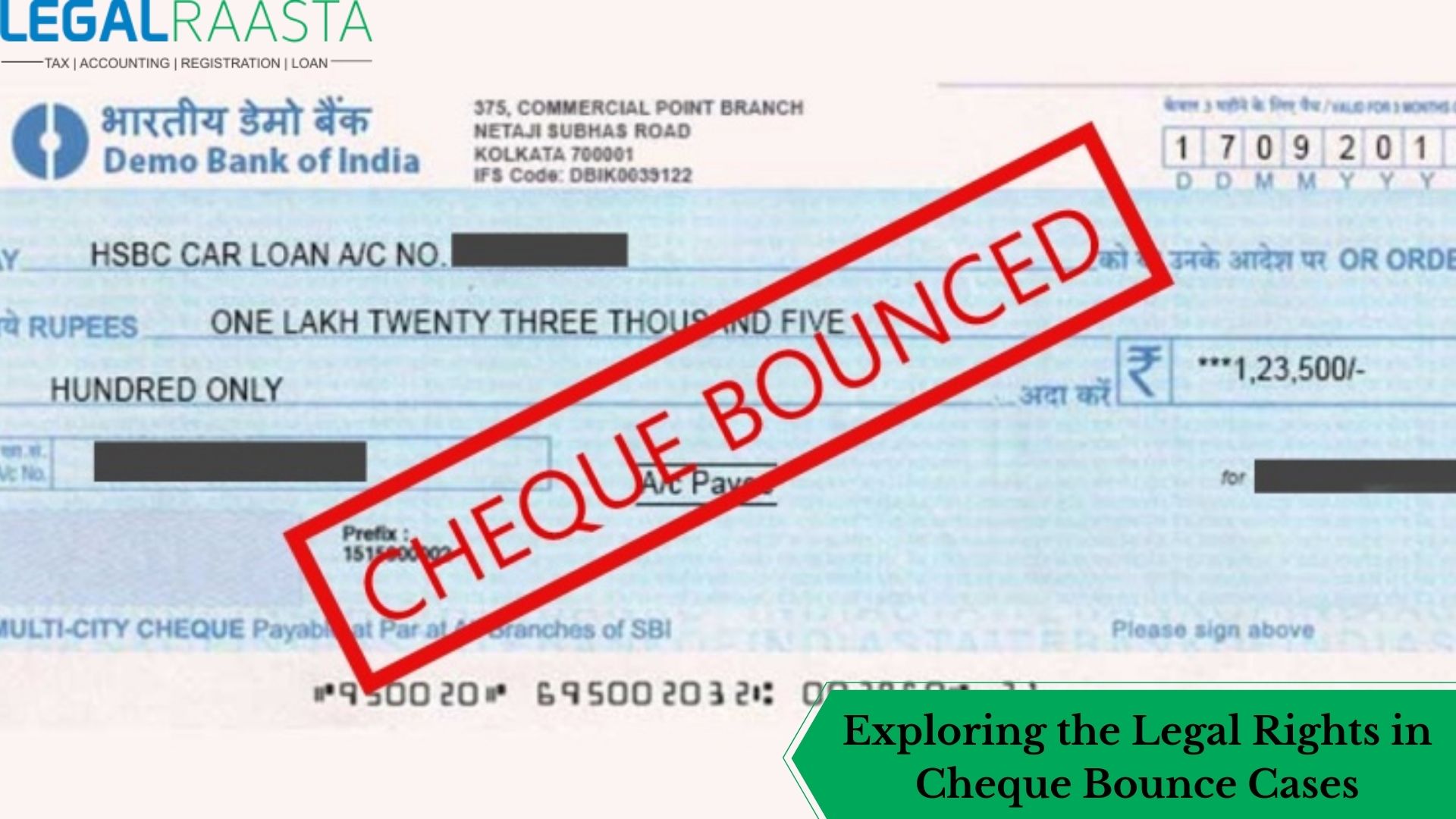 Exploring the Legal Rights in Cheque Bounce Cases
10-Feb-2021
Exploring the Legal Rights in Cheque Bounce Cases
10-Feb-2021 -
 Views of Indian Judiciary About Live-In Relationship
10-Feb-2021
Views of Indian Judiciary About Live-In Relationship
10-Feb-2021